
When first surveying what would become the southern half of theState of Idaho, it was noted that hot springs averaged one every twenty square miles. One of these warm baths was three miles east of a sprouting outpost called Boise.
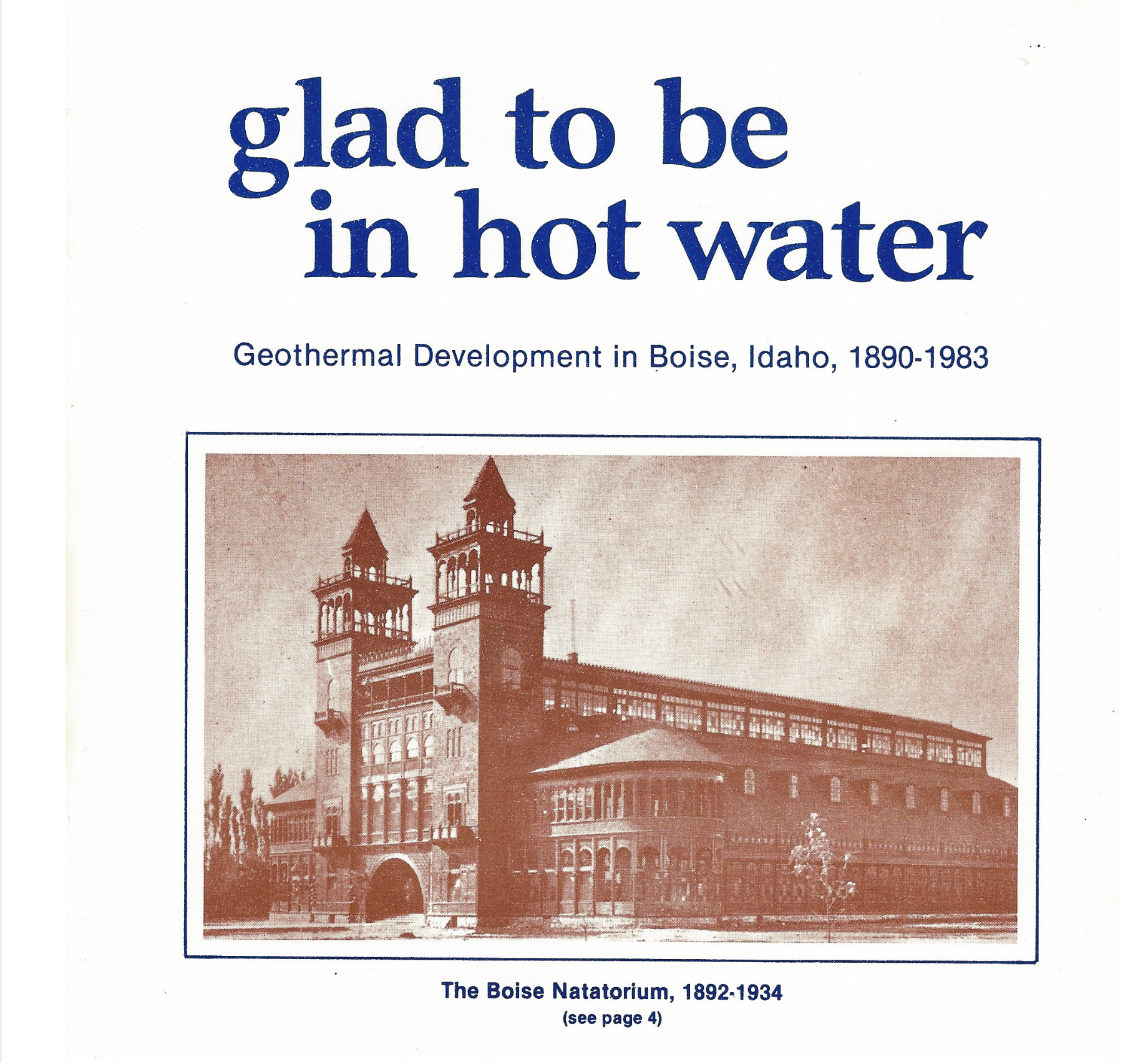
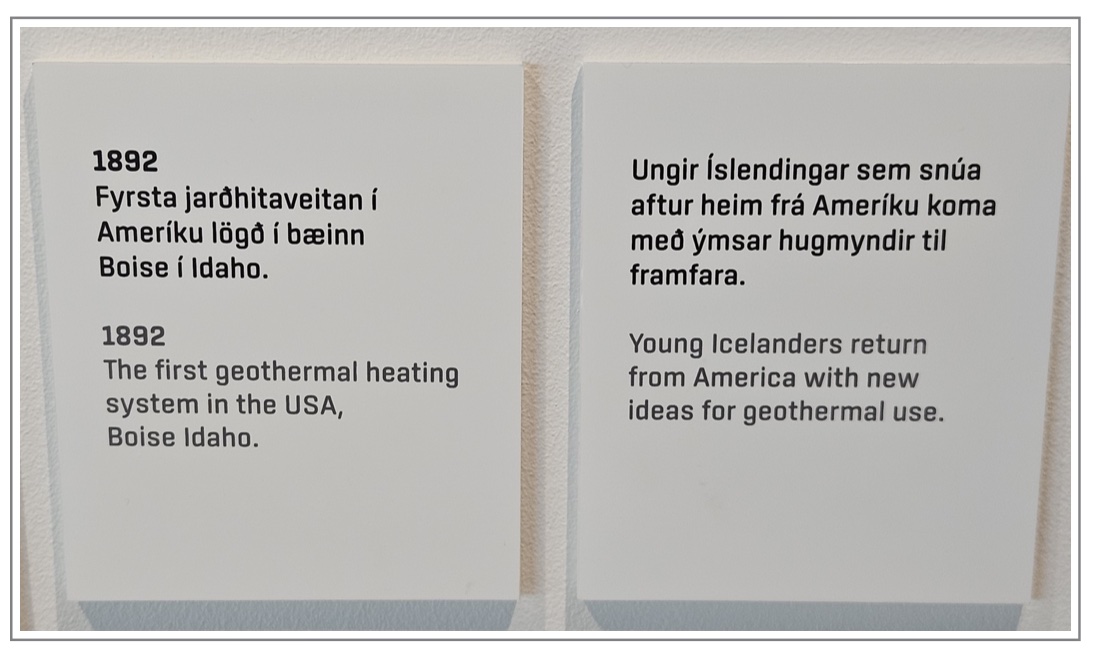
The 1892 development of a large Natatorium—and laying wooden pipes to heat homes along Warm Spring Avenue—was a global first-use of these pipes to expand the blessings of geothermal heat beyond the baths and spas that have always sprung up around natural hot springs.
Today the largest development of geothermal space heating is in Iceland with 90% of Icelandic living space being heated with piped geothermal water. Boise remains the largest system in the United States, with China, Sweden and Germany aggressively developing their resources.
After the energy crisis of the 1970s, the City of Boise and the Idaho State Capital Campus began seriously expanding the potential of the resource that lay 2,000 feet below our feet.
The development included replacing the wooden pipes under Warm Springs Avenue with insulated asbestos pipes. Seeing those ninety-year-old wooden pipes being torn from the ground inspired me to do some research and a bit of writing.
Well, folks, don’t ever get started on “a bit of writing.” It turns into a book. Or at least a booklet.
In my case, an article no magazine was interested in and a college roommate who had just opened a print shop conspired to create my first publication.
Today there are but a few copies left of Glad to be in Hot Water, Geothermal Development in Boise, Idaho, 1890-1983.
Rather than print more, I’ve decided to post the booklet here for you to download if you wish.
Click: Get Booklet and it will zip right your way.
 Deans Great Wahoo
I have a copy of your book – first edition?
1st edition indeed, Jim. Good to hear from you.
It’s incredible how forward-thinking were our political leaders in the 70s compared to the present shock, awe, rape, & pillage mindset of today.